

2026 Pre-Conference Schedule
AASECT Annual Conference | San Juan, Puerto Rico | June 4-6, 2026
These offerings are optional add-ons to the general conference program and require an additional registration fee. Pre-conference sessions will be held in person at the conference venue
in San Juan, Puerto Rico, and will not be live-streamed.
Thursday, June 4, 2026
Displayed in Atlantic Time.
1:00 pm – 5:00 pm
Pleasure, Power, and the Path to Self-Reconciliation: An Introduction to Therapeutic BDSM
PresentersDr. Yulinda Renee Rahman CE CreditsAASECT – 3.5 Credits |
 |
Session DescriptionThis pre-conference workshop introduces Therapeutic BDSM™, a trauma-informed, somatically grounded healing model created by Dr. Yulinda Renee Rahman. Rooted in her original modality, Self-Reconciliation Therapy™, and developed through research, lived experience, and ancestral wisdom, this approach explores how conscious kink, power exchange, and erotic ritual can support trauma integration, nervous system regulation, and personal sovereignty. Participants will engage in both theory and experiential practice, gaining tools to expand their work across clinical, educational, and community spaces. This session is ideal for professionals seeking embodied, culturally attuned approaches to healing and erotic power.
Learning Objectives:
|
|
Rooted & Ready: Tools for Creating Effective, Values-Aligned, and Liberation-Centered Workshops
PresentersYael Rosenstock Gonzalez , PhD, MA CE CreditsAASECT – 3.5 Credits |
 |
Session DescriptionFacilitating spaces of learning, vulnerability, and growth requires intentionality, not imitation. In this interactive pre-conference, participants will practice designing and facilitating workshops that reflect their authentic values and honor participant agency. Using trauma-aware and liberatory principles, you’ll explore how to set the tone for connection, apply backward design to build impact, and evaluate learning in ways that center joy, inclusion, and authenticity. You’ll leave with a customizable planning and evaluation toolkit you can reuse for any workshop.
Learning Objectives:
|
|
Human Sexuality and Synthetic AI Dynamics: Oh My!
PresentersMarkie L. C. Twist, PhD, MEd, MA, BS, LMHC, LMFT, CSE, CSE-S, RegCOSRT CE CreditsAASECT – 3.5 Credits |
 |
Session DescriptionMany sexual health professionals are hearing more about people, including members of our field, forming relationships with synthetics (e.g., chatbots, robots, LLMs, etc). Yet, many professionals find themselves struggling and/or lacking in working with human-synthetic dynamics around areas like: languaging, utiziing theory, praciticing informed ethical digital health guidance, and assessment tools and frameworks to utilize in practice. In this pre-conference workshop, Dr. Markie Twist, who in the scholarship and pratice, co-coined digisexuality, digiattachment (digital attachment), digihealth (digital health), and the couple and family technology framework, provides an overview and resources in each of these areas. Also included is an opportunity to review case scenarios using presented frameworks and tools, including digihealth plan, gender, sexual, erotic, and relational diversity (GSERD) matrix, digimatrix, affirming microskills, and artificial intelligence (AI) practice considerations from related fields. Learning Objectives:
|
|
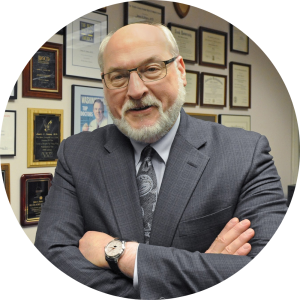
Hot Topics in Midlife Sexual Health: Menopause, Pleasure, and Power Here and Now
PresentersPebble Kranz, MD, FECSM, IF, MSCP CE CreditsAASECT – 3.5 Credits |
   |
Session DescriptionThis interactive workshop gives sex therapists, counselors, and educators practical skills to help clients facing menopause-related sexual concerns. Using case discussion and the latest guidelines, the session teaches how to recognize, assess, and treat symptoms like pain, low desire, orgasm changes, and genitourinary syndrome of menopause. Attendees will learn strategies to talk about sexual wellness in menopause, have awareness of current evidence-based treatment options and risk/benefit discussions, and support both comfort and pleasure for diverse patient populations. Participants will leave with greater confidence to address sexual health, advocate for their clients, and help people experiencing menopause find more comfort and pleasure-here and now.
Learning Objectives:
|
|
Hidden Treasures: Practical Gems from Surrogate Partner Therapy
PresentersBrian Gibney CE CreditsAASECT – 3.5 Credits |
 |
Session DescriptionEmbodied understanding is key to the human experience. It allows us to develop a sense of self, helps us understand the world around us, and connects us to others through the sharing of these experiences. To aid clients in achieving goals of intimacy, touch practitioners often employ a variety of embodiment exercises. Because of this, practitioners have had to develop a set of skills that not only focus on imparting somatic experiences, but also acknowledge how we navigate our professional (and personal!) relationship. By better understanding the “hows” and “whys,” these beneficial practical and philosophical treasures can be transferred to a variety of modalities In this 4-hour workshop, participants will explore various touch modalities, specifically surrogate partner therapy. We will pay special attention to underpinning philosophies, structured (and unstructured) interactions with clients, and collaboration between practitioner and clinician. We will examine the context under which these practices have evolved and explore how embodied experiences elicit relational shifts within the work. Additionally, participants will be invited to engage in exercises foundational to the work in surrogate partner therapy. In sharing individual experiences of these exercises, we will have the opportunity to examine how somatic prompts inform our relationships to other participants…and ourselves. The final portion of this workshop will be focused on take-home messages, exploring vetting and collaboration with touch practitioners as well as incorporating exercises and philosophies into your practice at home.
Learning Objectives:
|
|