
Plenary Sessions
AASECT Annual Conference | San Juan, Puerto Rico | June 4-6, 2026
Gain insights from this exciting lineup of Plenary Presentations!
All in-person plenaries will be streamed live from San Juan, Puerto Rico.
Thursday, June 4, 2026
The following is displayed in Atlantic Time.
CE Credits
AASECT -1.5 Credits
Session Description
In this keynote address by Dr. Rachel Levine, the 17th Assistant Secretary for Health, Dr. Levine will outline the promising practices to achieve health equity through sound scientific policy in sexual health. She will share examples from state and federal lenses that have been successful in addressing syphilis, HIV, and the prevention of unintended pregnancies. Dr. Levine will also speak about the importance of health equity within a sexual health framework, and she insists that health equity is not divisive, but is in fact fundamental to the achievement of high-quality health outcomes for all Americans.
Learning Objectives:
By the end of this keynote address, participants will be able to:
- Argue on behalf of the inclusion of health equity frameworks within all sexual health programs
- Develop effective sexual health programs that are grounded in scientific evidence
- And will be able to critique unscientific federal or state sexual health policies that are currently being put into place
Speaker Bio
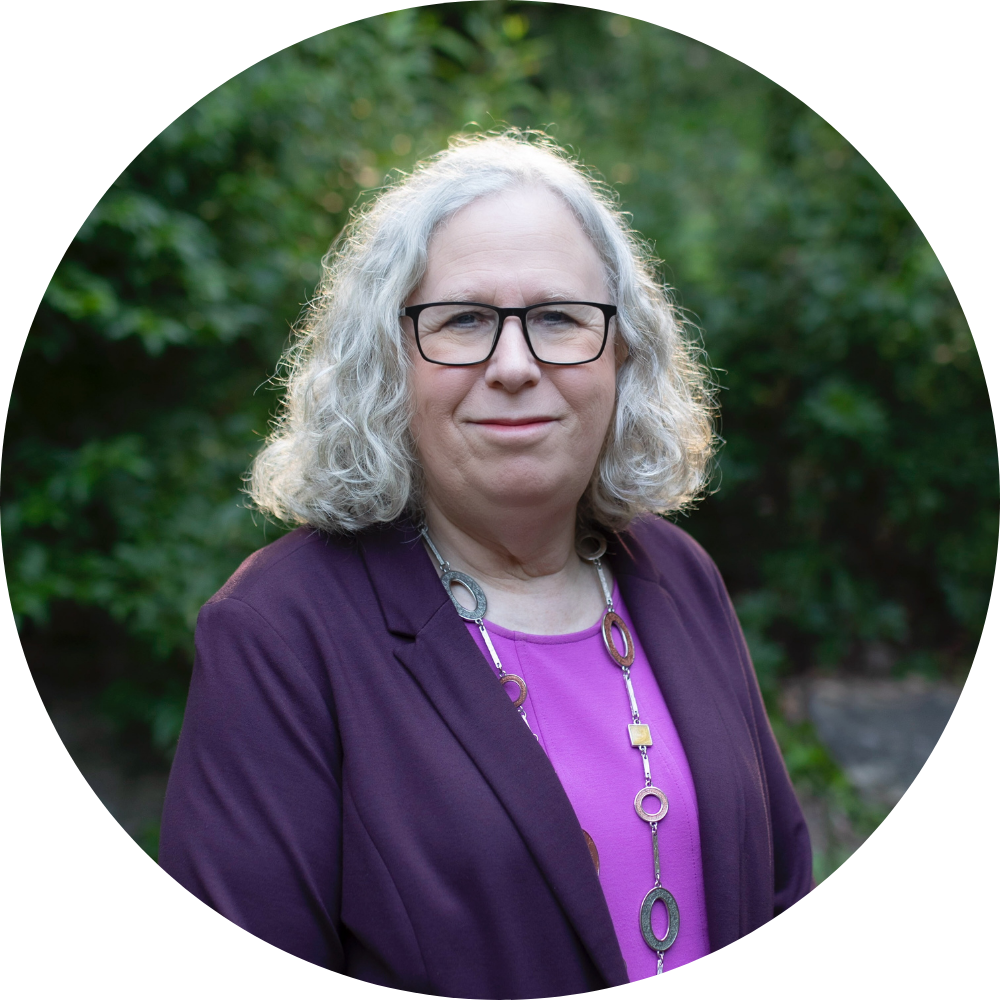
Admiral Rachel Levine, M.D. served as the 17th Assistant Secretary for Health at the U.S. Department of Health and Human Services and led the United States Public Health Service Commissioned Corps. Prior to Dr. Levine’s federal service, she served as Secretary of Health and Physician General in Pennsylvania where she led the state’s response to the acute phase of COVID-19 and the opioid epidemic. She entered public service in 2015 after a career in academic medicine including as professor of pediatrics and psychiatry at the Penn State College of Medicine. She completed her residency and fellowship at Mt. Sinai, earned her M.D. at Tulane University, and completed her undergraduate work at Harvard College.
She is a fellow of the American Academy of Pediatrics, Society for Adolescent Health and Medicine, and Academy for Eating Disorders and served as President of the Association of State and Territorial Health Officials.
Dr. Levine has been named by USA Today as one of their 2022 Women of the Year, by Time Magazine to their inaugural list of the 100 most influential climate leaders in the world, and she is a member of the National Academy of Medicine.
Friday, June 5, 2026
The following is displayed in Atlantic Time.
CE Credits
AASECT -1.5 Credits
Session Description
Sexual function is one of the few domains where vascular, neurological, endocrine, psychological, relational, and sociocultural processes converge in real time within the body. Yet sexual symptoms are still frequently treated as isolated concerns rather than meaningful clinical signals. This keynote reframes sexual function as a physiological expression of lived experience—one that reflects not only biological processes but also stress exposure, cultural narratives, and systemic conditions shaping health. Drawing on biopsychosocial and systems-informed frameworks, the presentation will examine how sexual concerns can reveal early indicators of broader health issues, including cardiometabolic disease, chronic pain sensitization, and dysregulated stress physiology. It will also explore how context—including cultural expectations, structural barriers, and healthcare environments—becomes embodied and influences sexual wellbeing. By situating sexual health at the intersection of physiology and context, participants will be challenged to reconsider how sexual symptoms inform assessment, education, research, and interdisciplinary care.
Learning Objectives:
By the end of this presentation, participants will be able to:
- Analyze how sexual function operates as a physiological signal of broader health processes, including cardiovascular, neurological, endocrine, and pain-related conditions.
- Examine how biopsychosocial and sociocultural contexts—including stress exposure, cultural narratives, and structural conditions—become embodied and influence sexual function.
- Evaluate the limitations of traditional biomedical models of sexual dysfunction and consider integrative frameworks that better capture the interaction between physiology, lived experience, and systemic influences.
- Apply a systems-informed lens to sexual health assessment, education, and intervention in order to identify underlying health concerns and improve interdisciplinary collaboration.
- Integrate sexual health as a clinical and educational entry point for understanding whole-body health, relational wellbeing, and the broader conditions shaping patient outcomes.
Speaker Bio
Dr. Uchenna “UC” Ossai, PT, DPT, WCS, CSC (she/her) is an Assistant Professor at the University of Utah and a pelvic health physical therapist, sexuality educator, and certified sexuality counselor. Her work sits at the intersection of clinical care, sexual health education, and healthcare innovation. Dr. Ossai’s clinical and research interests focus on complex pelvic floor disorders, sexual function, and how biopsychosocial and sociocultural factors shape sexual health outcomes. She is the founder of YouSeeLogic, a sexual health platform and consulting practice that collaborates with sexual wellness and femtech companies on product strategy, education, and consumer experience. An international speaker, she has served on advisory boards across healthcare, media, and consumer health. Her work focuses on translating sexual health science into practical approaches for clinicians, educators, and health innovators.
Website: www.youseelogic.com
Social Media: @youseelogic on all platforms (IG, TikTok, FB, etc.)

Saturday, June 6, 2026
The following is displayed in Atlantic Time.
CE Credits
AASECT -1.5 Credits
Session Description
Testimonios, which come from Latina feminist traditions, transform personal experiences into collective awareness and sparks of political resistance through the act of witnessing and being witnessed. Fitting with the theme, “Aqui y Ahora,” this interactive plenary centers the testimonios of Caribbean Island Hispanas as part of a community healing project and healing research methodology. These testimonios, along with narratives shared from other projects and ongoing submissions are forming the basis of a virtual museum dedicated to Latine narratives around body, sexuality, and belonging from which excerpts will be shared.
Through the words of Caribbean Hispanas, we will bear witness to how colonialism, sex-negativity, and anti-Blackness permeate intergenerational messaging. And we will also share in the celebration and the wisdom of these women, and their communities, in disrupting those inherited legacies and (re)claiming sexual agency, bodily autonomy, and pleasure for themselves and future generations.
Learning Objectives:
- Identify the types of harmful intergenerational messaging Caribbean Hispanas receive about body and bodily autonomy and from where they stem.
- Describe methods that Caribbean Hispanas are using to replace harmful intergenerational messaging to promote pleasure, sexual agency, and bodily autonomy validation.
- Analyze testimonios as a tool in healing and political work related to bodily autonomy and sexual agency.
Speaker Bio
Dr. Yael R. Rosenstock Gonzalez (she/ella), also known as YaeltheSexGeek, is a researcher, coach, and educator, in the fields of sex, relationships, intimacy, and identity. Her research centers the nuances of identity and power in topics of sex, consent, desire, pleasure, embodiment, agency, and partnering styles, especially within Latine communities. As a 2023 Scholars of Sexology Fellow she explored narratives of sexual agency in Latina-centered pornographic magazines and currently, she is working with data on sexual pleasure and bodily autonomy from her project, Body, Belonging, Race, Fetishization, and Sex: Experiences of Caribbean Island Hispanas. Along with other researchers, educators, and community members, Yael is launching a virtual museum of Latine narratives to create space for witnessing and being witnessed, connection, and healing.
In her coaching practice as a certified Sex Doula, EroSomatic Touch Practitioner, and Authentic Consent Facilitator, Yael supports people in building confident, embodied, and authentically consensual relationships with themselves and others. Rooted in pleasure, safety, somatic practice, and identity-aware inquiry, Yael helps clients move out of people-pleasing and into clarity about what they want and how to communicate it, and in accessing pleasure and safety in the body.
Within her educator work, Yael offers community workshops, adjuncts with several universities, and is the author of An Introguide to a Sex Positive You. She also recently published a book chapter, Liberation-Centered Learning Spaces: Implementing Joy, Relationships, and Power-Shifting, which, along with over a decade of curriculum development and facilitation experience and years of working with students and colleagues in developing their own educational materials, inspired her to launch a new program, Rooted & Ready, to support values-based professionals in developing their own interactive and effective workshops.
Social media
https://www.instagram.com/yaelthesexgeek/

CE Credits
AASECT -1.0 Credit
Session Description
Sex research has long operated at the intersection of knowledge production and social change. This presentation positions sex research as an act of resistance and disruption—one that challenges stigma, inequity, and normative assumptions embedded in health systems, policy, and scholarship. Drawing on interdisciplinary examples from sexual health, HIV prevention, cultural humility, and gender-affirming care, we argue that research can function as an emancipatory practice when it centers marginalized communities, interrogates power, and prioritizes equity over neutrality.
We examine how dominant research paradigms have historically excluded or pathologized LGBTQ+ communities, people of color, people with disabilities, sex workers, and others at the margins. In response, we highlight community-engaged, participatory, and implementation-focused approaches that disrupt extractive models of knowledge production and reframe sexual health as a collective and structural concern. We conclude by calling for sex research that is rigorous, socially accountable, and explicitly committed to advancing sexual health for all.
Learning Objectives
- Describe how sex research can function as a form of resistance and disruption by challenging stigma, normative assumptions, and power imbalances within sexual health research, policy, and practice.
- Identify methodological and ethical approaches—such as community-engaged, participatory, and implementation-focused research—that center marginalized communities and promote equity in sexual health scholarship.
- Apply principles of socially accountable sex research to reframe sexual health as a collective and structural concern, informing more inclusive research design, policy development, and health system interventions.
Speaker Bio
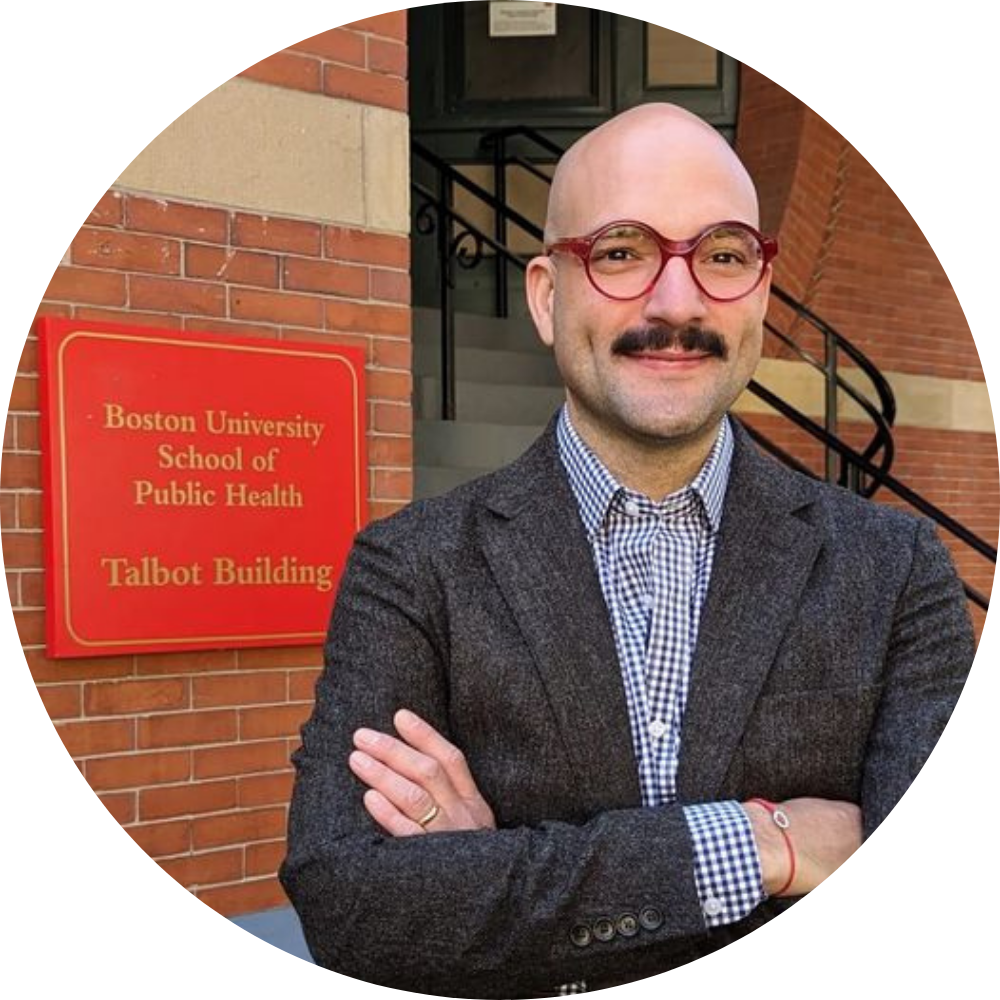
Carlos is an academic activist. Dr. Rodriguez-Diaz’s scholarship focuses on community-engaged public health with populations made vulnerable by racism, colonialism, homophobia, transphobia, incarceration, and HIV status. He conducts research in Puerto Rico, the continental United States, and the Caribbean region. He has several funded projects to improve primary care, HIV prevention services, health services with sexual minority men, and primary care for Latinx and transgender populations.
His work has been featured in the prestigious peer-reviewed journal The Lancet. Carlos serves as Associate Editor for Annals of Medicine, Sexuality Research and Social Policy, and the Puerto Rico Health Sciences Journal.
In addition to his teaching and research activities, Carlos serves as president of the Board of Directors of Coai, Inc., a community-based organization providing health services to LGBTQ+ populations in Puerto Rico, and served as president of the Society for the Scientific Study of Sexuality from 2021 to 2023.